
High blood pressure, also known as hypertension, is one of the most common health concerns affecting people worldwide. It is sometimes referred to as the “silent killer” since it may not manifest any apparent symptoms in the early stages but can lead to an increased risk of heart disease, stroke, kidney disease, and other serious diseases.
Promoting heart health through awareness and preventive care is an important step toward helping individuals live longer healthy lives.
Understanding Blood Pressure
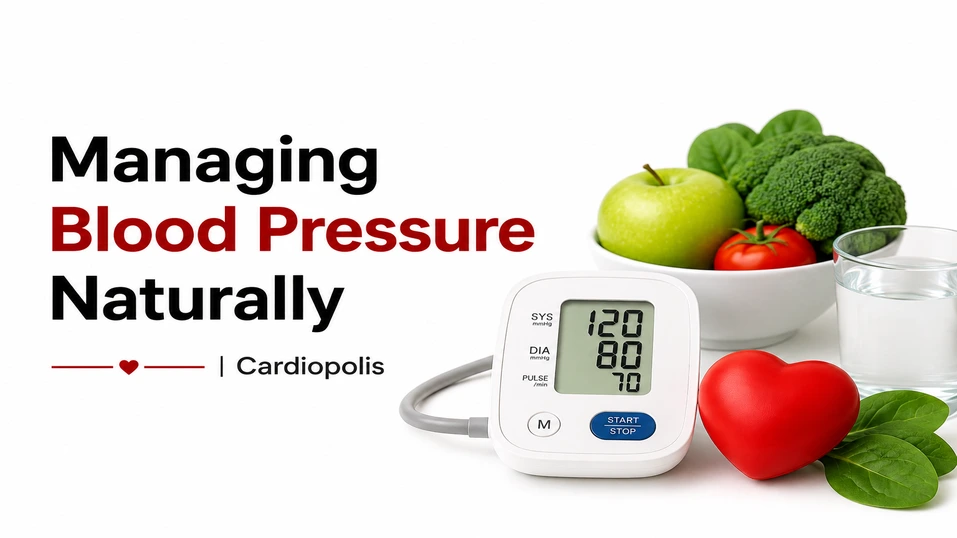
Blood pressure measures the force of blood pushing against the walls of the arteries. The normal blood pressure is approximately 120/80 mmHg. If the blood pressure remains elevated, the heart must work harder to pump blood around the body, which can damage blood vessels over time.
Natural remedies can help regulate blood pressure levels and, in some persons, may be the only treatment needed.
Eat a Heart-Healthy Diet
Consuming fresh and nutrient-rich foods can help support healthy circulation and heart function.
Foods that may help lower blood pressure include:
- Fresh fruits and vegetables
- Whole grains
- Nuts and seeds
- Low-fat dairy products
- Lean proteins such as fish and legumes
Eating home-prepared foods, reading food and beverage labels, and cutting back on processed foods will make a big difference in sodium intake.
Stay Physically Active
Regular physical activity strengthens the heart and improves blood circulation. Exercise helps the heart pump blood more efficiently, reducing pressure on the arteries.
Walking, cycling, jogging, swimming, and yoga can be effective and simple if done regularly. Moderate physical activity is recommended for at least 30 minutes per day, at least 5 days per week.
Even small lifestyle changes can help increase activity levels, such as:
- Taking the stairs instead of the elevators
- Walking short distances instead of driving
- Stretching during work breaks
- Practicing light home workouts
Manage Stress Effectively
Stress can temporarily increase blood pressure and can be a factor in developing high blood pressure. Stress can be heightened due to modern lifestyle, work stress, and lack of rest, which can have a mental and physical impact.
Natural stress-management techniques include:
- Meditation and deep breathing exercises
- Yoga and mindfulness practices
- Listening to calming music
- Spending time outdoors
- Maintaining healthy sleep habits
Maintain a Healthy Weight
Too much weight can put an extra burden on the heart and blood vessels. Any weight loss, no matter how much, can help lower blood pressure and cardiovascular risk.
Balanced nutrition, a regular exercise routine, maintaining proper hydration, and avoiding unhealthy eating habits can all help to maintain a healthy weight. Crash diets and extreme weight-loss plans are not recommended, as lifestyle changes are more likely to lead to lasting weight loss.
Limit Smoking and Alcohol Consumption
Smoking hurts blood vessels and raises the risk of heart disease. Over time, smoking cessation also improves circulation and can positively affect cardiovascular health.
Likewise, drinking too much can result in high blood pressure. Reducing alcohol consumption and making healthier choices can help maintain heart health and overall well-being.
Prioritize Quality Sleep
Lack of sleep and irregular sleep habits could have a detrimental impact on blood pressure and heart health. Adults should strive to get 7–8 hours of good sleep per night.
Helpful sleep habits include:
- Maintaining a regular sleep schedule
- Avoiding screen time before bed
- Creating a calm sleeping environment
- Limiting caffeine intake late in the day
Regular Health Monitoring Matters
Regular blood pressure monitoring can help catch changes early and promote effective health management. Regular health check-ups and advice are essential, particularly for those who have hypertension or heart disease in their family.
However, healthy lifestyle changes can play a huge role in maintaining healthy blood pressure levels, and always seek medical advice when needed. A proactive approach to health and wellness, coupled with preventive measures, is a powerful combination for long-term cardiovascular wellness.
Managing blood pressure naturally involves making consistent and healthy lifestyle choices. Small lifestyle habits can make a big difference for heart health. Eating healthy foods, being active, managing stress, and getting adequate sleep are just a few examples.
By focusing on prevention and wellness, individuals can reduce the risk of complications and support a healthier future. Taking proactive steps today can lead to stronger heart health and improved quality of life for years to come.