
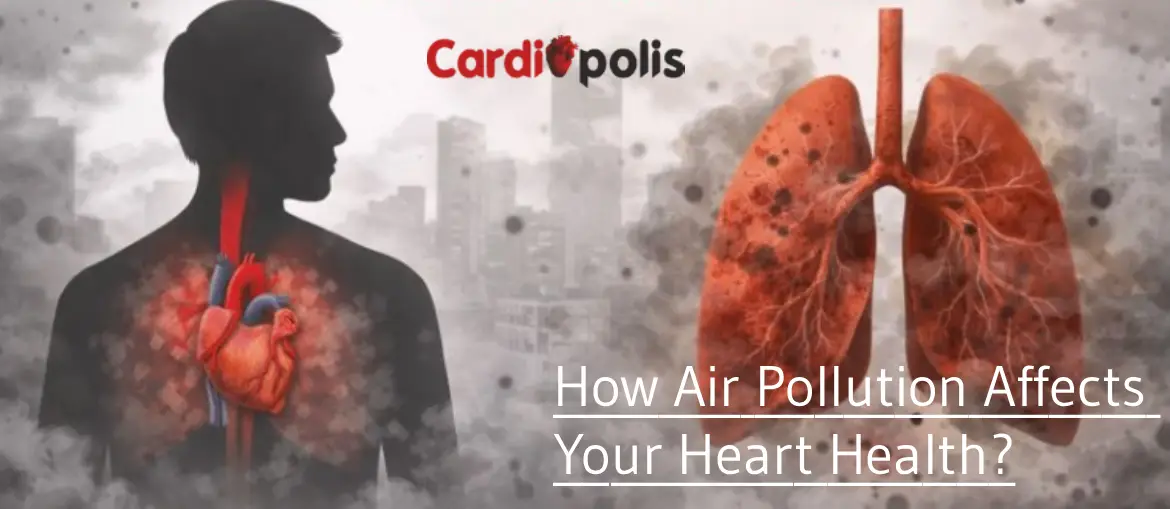
When considering the harm of air pollution, issues with asthma or bronchitis affecting the lungs are the first things that come to mind. Nevertheless, in recent decades, studies have also demonstrated that air pollution is a silent, but powerful killer of our heart health. The polluted air may enter our bloodstream through tiny particles and harmful gases, causing inflammation and overworking the cardiovascular system, which is why, in addition to heart disease, it can lead to heart attacks, premature death, and other health issues.
What Is Air Pollution?
Sources include vehicle exhausts, industrial emissions, burning fossil fuels, dust, smoke from wildfires, and even household products. The most harmful things for a heart that gets sick are:
- Particulate matter (PM 2.5, PM10): small particles that can penetrate deeply into lungs and blood.
- Nitrogen dioxide (NO2 ): vehicle and power plant emissions.
- Ozone (O3): The sunlight interacts with other pollutants.
- Sulfur dioxide (SO2): coal and oil combustion.
How Pollution Affects the Heart?
Air pollution can impact the heart in several related ways:
1. Inflammation and Oxidative Stress
Systemic inflammation and oxidative stress may be caused by pollutants, which imply an increased number of free radicals in the body, damaging cells and tissues, including cardiac and blood vessels.
2. Blood Vessel Dysfunction
This dysfunction decreases the capability of blood vessels to adjust to blood flow and pressure changes, elevating the blood pressure and chances of hypertension, which is a significant risk factor for heart disease.
3. Changes in Heart Rate and Rhythm
Changes in the heart’s activity and heart rate variability have been linked to high pollution levels. This interference may raise the danger of arrhythmias, irregular heartbeats, and this can be hazardous, particularly in individuals with heart conditions.
4. Increased Blood Clotting
Particulate matter may predispose blood to clotting, which makes it susceptible to heart attacks and strokes. The more blood clots, the higher the likelihood that a clot may block a coronary artery or a brain vessel.
Who Is Most at Risk?
Anyone can be affected by air pollution, but certain populations are at a higher risk:
- Older people, with potentially compromised immune and circulatory systems.
- Individuals with underlying heart or lung conditions
- Children have lungs and bodies that are just developing
- Pregnant women, as the pollution would be transferred to both the mother and the baby.
Real-World Evidence
Epidemiological research conducted in the world has indicated strong associations between air pollution and heart disease:
- Regions that experience increased PM2.5 in the long run have increased coronary artery disease and heart failure rates.
- The increase in pollution levels in the short term is related to increased emergency heart admissions.
- According to longitudinal research, fewer cardiovascular deaths can occur when pollution levels are reduced.
Protecting Your Heart from Poor Air Quality
Although there should be concerted efforts to curb the pollution at the source, individual effort can have the same effect in safeguarding the citizens:
Check daily air quality
Keep up with local forecasts and air quality applications, especially if you have a cardiac issue.
Limit outdoor exertion during high-pollution days
Physical activity and heavy exertion cause an increase in the breathing rate, and the lungs take in more pollutants.
Improve indoor air quality
Use air purifiers with HEPA filters, close windows on days with high pollution, and do not smoke indoors.
Choose cleaner commute options
Take a walk or a bike on less busy streets, take a train when you can, and encourage cleaner automobile policies.
Advocate for cleaner air
Flexibility in supporting local and national moves towards the reduction of industry, transport, and energy production emissions.
Air pollution doesn’t just harm our lungs; it also infiltrates the bloodstream, stresses the heart, and accelerates disease. With knowledge of these dangers, we are now prepared to perform interventions that can prevent heart problems. Clean air is not a luxury but an essential ingredient of heart health and overall wellness.
Comments are closed