
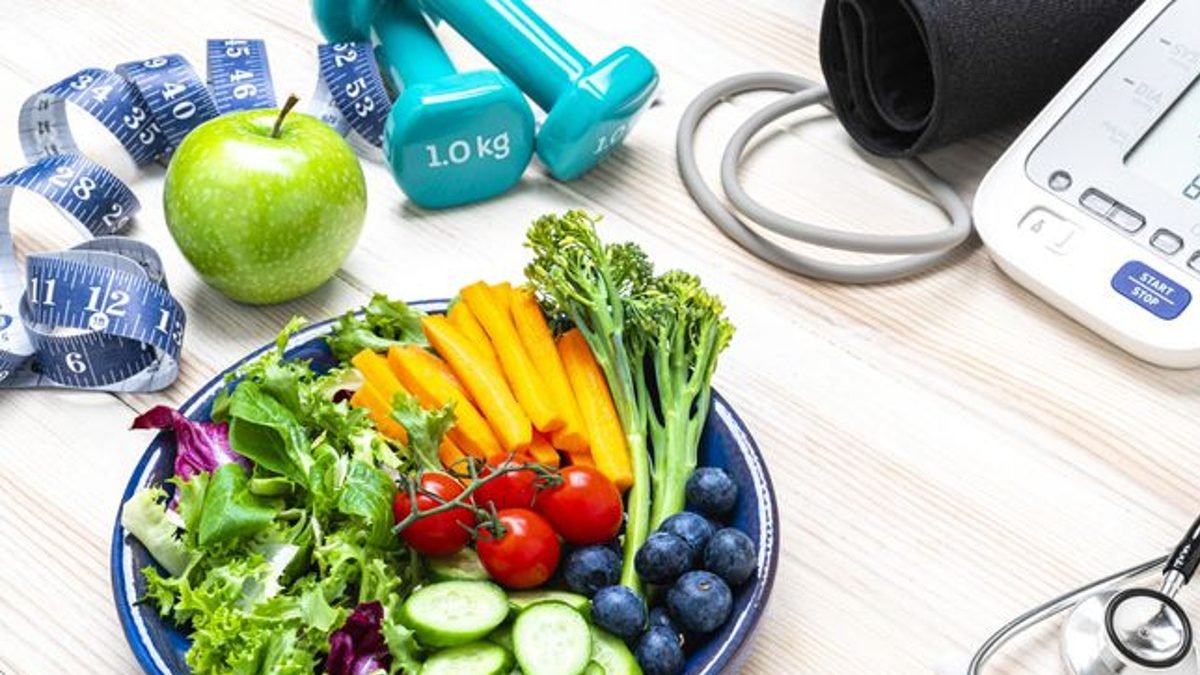
High cholesterol has become one of the most common health concerns worldwide, significantly increasing the risk of heart disease and stroke. Although medication can be required in certain situations, diet is a very important factor that could be used to control cholesterol levels. Adopting the right eating habits can help reduce bad cholesterol (LDL) and increase good cholesterol (HDL), promoting overall heart health.
Understanding Cholesterol and Its Impact
While the body needs some cholesterol to function properly, excess levels, especially low-density lipoprotein (LDL), can lead to plaque buildup in the arteries. This is a condition called atherosclerosis that limits the blood flow and increases the chances of heart attacks. Conversely, high-density lipoprotein (HDL) is regarded as good cholesterol; it removes LDL from the blood. An adequate diet will reduce LDL and increase HDL.
Key Principles of a Cholesterol-Lowering Diet
A heart-healthy diet focuses on reducing unhealthy fats and increasing nutrient-rich foods. The following are some of the key principles:
1. Reduce Saturated and Trans Fats
High-saturated-fat foods like butter, red meat, and full-fat dairy products can increase LDL cholesterol levels. Trans fats present in processed foods and fried foods are even more damaging.
2. Increase Fiber Intake
Soluble fiber prevents the uptake of cholesterol in the blood. Oats, beans, lentils, apples, and flaxseeds are good sources of fiber.
3. Choose Healthy Fats
When eaten in moderation, unsaturated fats in olive oil, nuts, seeds, and fatty fish such as salmon can improve cholesterol levels.
4. Limit Sugar and Refined Carbohydrates
Sugar and refined carbohydrates may decrease HDL, raising triglycerides. It is a good idea to reduce the number of sugary beverages, white bread, and processed snacks.
Sample Diet Plan for High Cholesterol
Creating a structured daily meal plan can make it easier to follow a heart-healthy diet.
Breakfast:
Begin the day with a bowl of oatmeal and fresh fruits such as berries or bananas. Include some nuts to get healthy fats. Instead, one can have whole-grain toast and avocado.
Mid-Morning Snack:
Select a fruit, like an apple or an orange, or a handful of unsalted almonds.
Lunch:
Choose whole grains such as brown rice or whole wheat roti and combine grains with vegetables and a source of low or non-fat protein such as grilled chicken, fish, or legumes. Add a salad with olive oil dressing.
Evening Snack:
A small bowl of sprouts or green tea, which is topped with roasted chickpeas, may serve as a source of protein and fiber.
Dinner:
Dine lightly with vegetable soup, quinoa, or a salad with a protein source such as paneer (low-fat) or tofu. Do not eat heavy, oily food at night.
Before Bed:
A warm, low-fat milk or herbal tea can be relaxing.
Foods to Include in Your Diet
To control cholesterol, pay attention to eating the following foods:
- Oats and whole grains
- Leafy green vegetables
- Fruits rich in antioxidants
- Nuts and seeds
- Fatty fish rich in omega-3 fatty acids
- Legumes like beans and lentils
Foods to Avoid
It is also important to know what to restrain or avoid:
- Fried and fast foods
- Processed snacks and baked products
- Red meat and processed meat
- Full-fat dairy products
- Sugary beverages and desserts
Lifestyle Tips to Support Your Diet
Diet alone is not enough; combining it with a healthy lifestyle yields the best results.
- Exercise regularly for at least 30 minutes a day
- Maintain a healthy weight
- Quit smoking and limit alcohol consumption
- Manage stress through yoga or meditation
Managing high cholesterol is not about strict restrictions but making smarter food choices every day. A healthy and nutritious diet consisting of fiber, healthy fats, and other vital nutrients can go a long way to keeping your heart healthy. By following a structured diet plan and adopting a healthy lifestyle, individuals can effectively control cholesterol levels and reduce the risk of cardiovascular diseases.
Small changes today can lead to a healthier heart tomorrow.