
Maintaining good heart health is essential for overall well-being, and the good news is you don’t always need a hospital visit to keep track of it. You just need a couple of basic devices and routines to keep track of your heart from the comfort of your couch. Regular self-monitoring helps detect early warning signs and enables timely medical intervention, reducing the risk of serious complications.
Why Monitoring Heart Health at Home Matters?
Heart diseases usually come into being without notice. Diseases such as Hypertension or Arrhythmia cannot have any observable effects at the onset. Monitoring vital signs like blood pressure, heart rate, and lifestyle habits will keep you up-to-date on your cardiovascular system and take proactive measures where necessary.
1. Check Your Blood Pressure Regularly
The elevated blood pressure might put a strain on your heart and arteries, thereby exposing you to the risk of developing heart disease and stroke as well.
Normal levels are about 120/80 mmHg, although, again, a doctor should help you know what is best.
Tips:
- Sit calmly for 5 minutes before measuring
- Avoid caffeine or exercise beforehand
- Keep your arm at heart level during the reading
2. Monitor Your Heart Rate
Your resting heart rate provides insight into how efficiently your heart is working. The normal resting heart rate of adults is between 60 and 100 beats per minute.
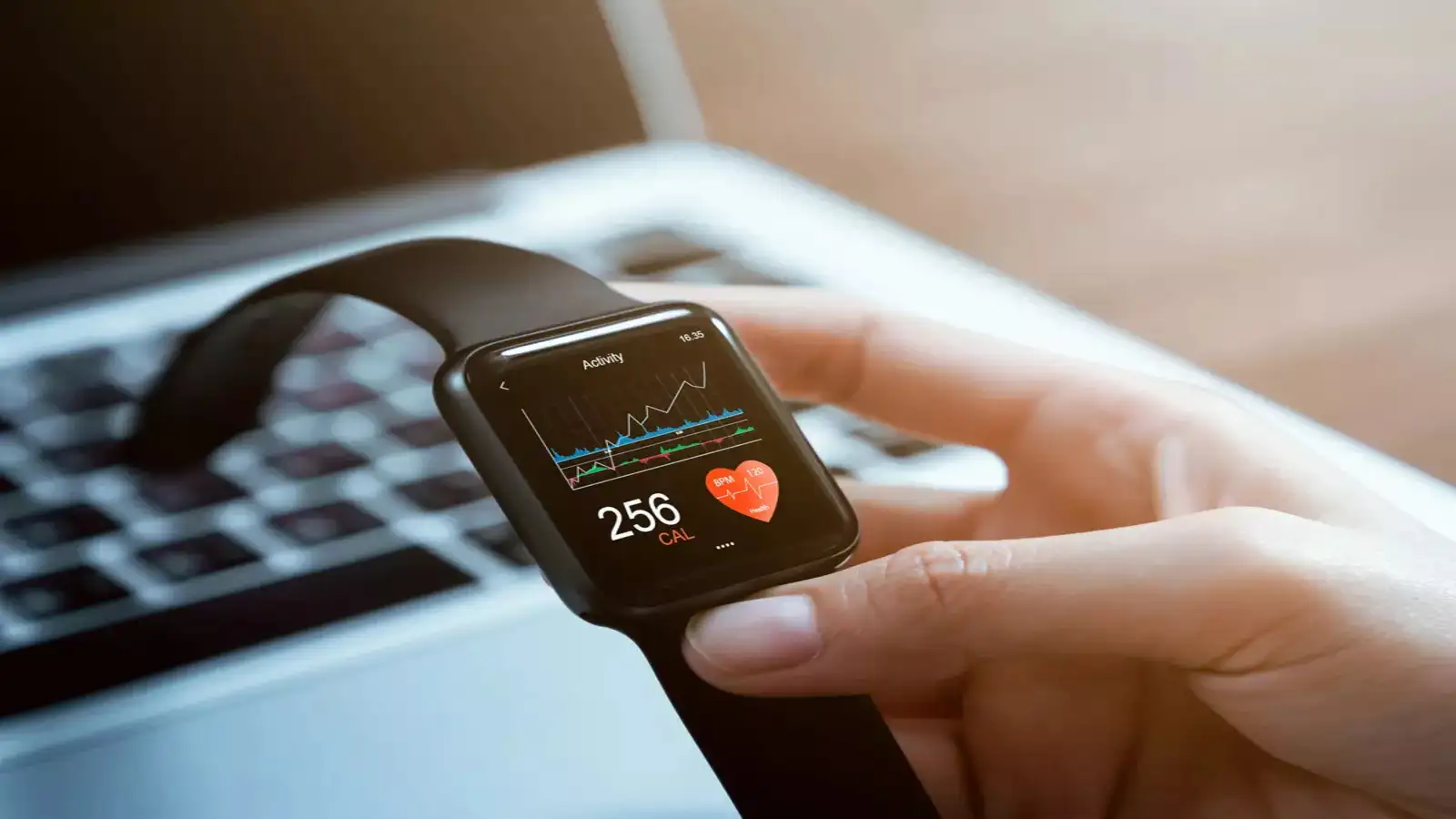
The pulse could be measured manually by pressing your fingers on your neck or wrist, or by a smartwatch or fitness tracker.
3. Track Your Physical Activity
Exercising is important in keeping the heart healthy. It can be beneficial to track your daily activity levels and ensure you are receiving sufficient movement. Fitness apps and wearable devices can help track your steps, calories burned, and activity duration.
4. Keep an Eye on Your Weight
Being overweight predisposes one to high blood pressure, diabetes, and cardiovascular diseases. Monitor your weight and strive to have a healthy Body Mass Index (BMI). Heart Failure can also manifest itself by sudden weight gain or leg swelling, and must not be overlooked.
5. Monitor Your Diet and Nutrition
Keeping a food diary or using nutrition tracking apps can help you stay aware of your eating habits.
Focus on:
- Fruits and vegetables
- Whole grains
- Lean proteins
- Healthy fats like nuts and seeds
Reduce salt, sugar, and processed foods, which can cause high blood pressure and cholesterol levels.
6. Recognize Warning Signs
Even with regular monitoring, it’s important to stay alert to symptoms that may require immediate medical attention.
Seek help if you experience:
- Chest pain or discomfort
- Shortness of breath
- Dizziness or fainting
- Unusual fatigue
7. Use Smart Health Devices
Smart devices such as smartwatches, electronic BP monitors, and mobile health applications can provide immediate data and information. Certain high-tech devices can even detect abnormal heart rhythms and notify you of possible problems. These tools are useful, but should not be used at the expense of professional medical advice.
When to Consult a Doctor
Home monitoring is useful, but it is not a substitute for regular medical checkups. If you regularly experience deviant readings or other symptoms, seek medical attention immediately.
Monitoring your heart health at home is a simple yet powerful way to take control of your well-being. Regularly monitoring your blood pressure, heart rate, weight, and lifestyle choices, you can identify any possible issues at an early stage and make a smart choice regarding your health. Combined with a healthy lifestyle and periodic medical consultations, these practices can go a long way in protecting your heart and ensuring a healthier future.