
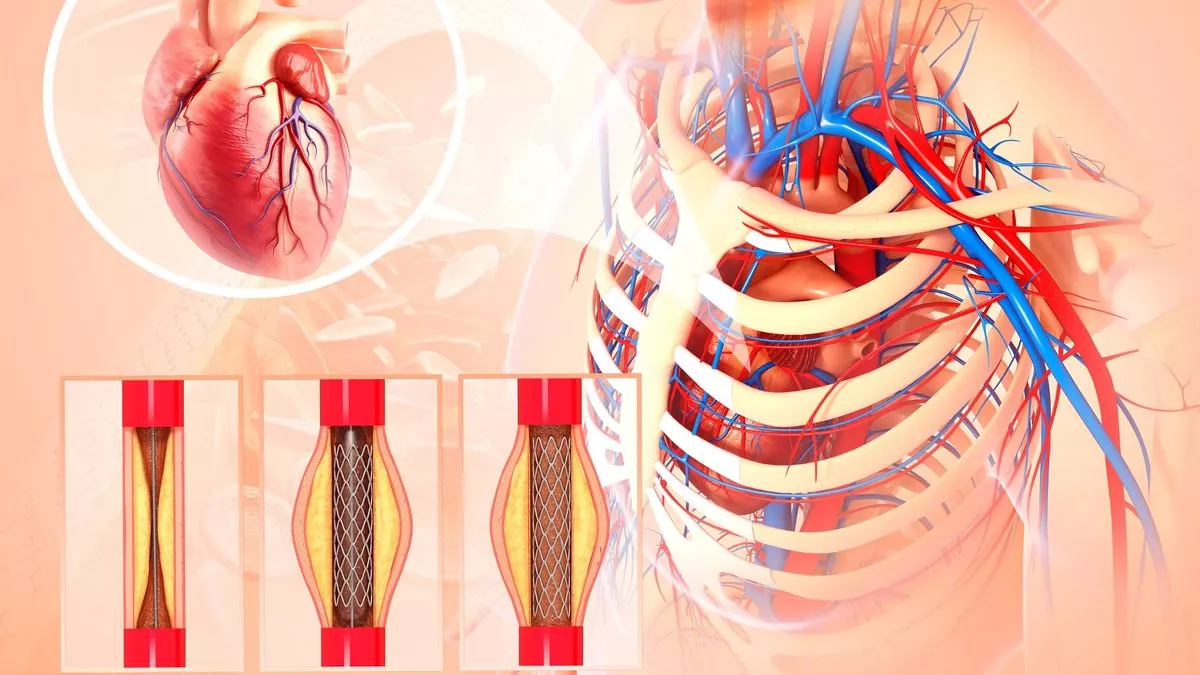
Undergoing a heart stent procedure, also known as percutaneous coronary intervention (PCI), is a major step toward improving heart health. A stent is used to open clogged or constricted arteries, to allow the blood to reach the heart normally. Nevertheless, the process is just a part of the process. The correct lifestyle change is crucial in the long-term healing and protection of future heart complications.
Understanding the Role of a Heart Stent
A stent is a tiny, mesh-like tube that is inserted into an artery to maintain its openness. It is frequently used to treat coronary artery disease (CAD), which happens when plaque accumulation clogs the arteries that provide blood to the heart. A stent increases blood flow, but it doesn’t treat the underlying illness. For this reason, changing one’s lifestyle is crucial to avoiding more obstructions.
Heart-Healthy Diet: Your First Line of Defense
Following stent implantation, a heart-healthy and well-balanced diet is essential. Maintaining a healthy weight, lowering cholesterol, and managing blood pressure are the objectives.
Focus on incorporating the following:
1. Fruits and vegetables: Packed with antioxidants, vitamins, and minerals, they promote heart health and lower inflammation.
2. Whole grains: Foods including whole wheat, brown rice, and oats help control cholesterol levels and enhance digestion.
3. Lean proteins: Include fish, legumes, and poultry. Fatty fish such as salmon are especially beneficial due to omega-3 fatty acids.
4. Healthy fats: Limit saturated fats and stay away from trans fats by using foods like avocados, nuts, seeds, and olive oil.
Limit or avoid:
- Fried and processed foods
- Excess salt (sodium)
- Sugary beverages and sweets
- Red and processed meats
Exercise: Moving Toward a Stronger Heart
After a cardiac stent, exercise is crucial, but it must be done cautiously and gradually.
First, your physician might suggest mild exercises like:
- Short-distance walking
- Stretching gently
- Easy everyday tasks
You can gradually increase the intensity as your recuperation advances to include:
- Walking quickly
- Swimming and Cycling
- Light aerobic workouts
Frequent exercise is beneficial:
- Boost blood flow
- bolster the cardiac muscle
- Regulate the weight
- Decrease anxiety and tension
But unless your doctor gives the all-clear, stay away from intense exercise and heavy lifting. A cardiac rehabilitation program is very helpful since it offers knowledge, emotional support, and supervised exercise.
Medication and Medical Care
After a stent procedure, medications are often prescribed to prevent complications. These may include:
- Blood thinners (to prevent clot formation)
- Cholesterol-lowering drugs
- Blood pressure medications
Taking prescription drugs exactly as directed is crucial. Stent obstruction is one of the major consequences that might result from missing doses or quitting medicine without first talking to your doctor.
It’s also crucial to schedule routine follow-up appointments with your cardiologist. These examinations aid in early warning sign detection, prescription adjustments, and heart health monitoring.
Lifestyle Habits: Small Changes, Big Impact
In addition to diet and exercise, certain daily habits significantly affect heart health:
- Quit smoking: Smoking raises the risk of heart disease and damages blood arteries. One of the most effective things you can do is to quit.
- Limit alcohol intake: Drinking too much alcohol can strain the heart and increase blood pressure.
- Control your stress: Prolonged tension can harm your heart. Methods like yoga, deep breathing, and meditation can be beneficial.
- Maintain a healthy weight: Being overweight puts more strain on your heart and increases your risk of developing new issues.
Recognizing Warning Signs
Even after a stent, it is important to stay alert to symptoms that may indicate a problem:
- Chest pain or discomfort
- Shortness of breath
- Unusual fatigue
- Irregular heartbeat
- Swelling in the legs or feet
Emotional and Mental Well-Being
It can be emotionally taxing to recover from a heart issue. Feeling nervous or concerned about your health is common. Support from friends, family, or support groups can have a significant impact. Coping with stress and anxiety may also benefit from counseling or therapy.
A heart stent can save lives, but it is not a cure. Long-term heart health depends on adopting a disciplined lifestyle that includes a balanced diet, regular exercise, proper medication, and healthy habits. By making these changes, you can significantly reduce the risk of future heart problems and lead a healthier, more active life.
Taking small and consistent steps every day can make a lasting difference in your heart health and overall well-being.